Get real-time updates, important notices, and featured stories right here on our official website
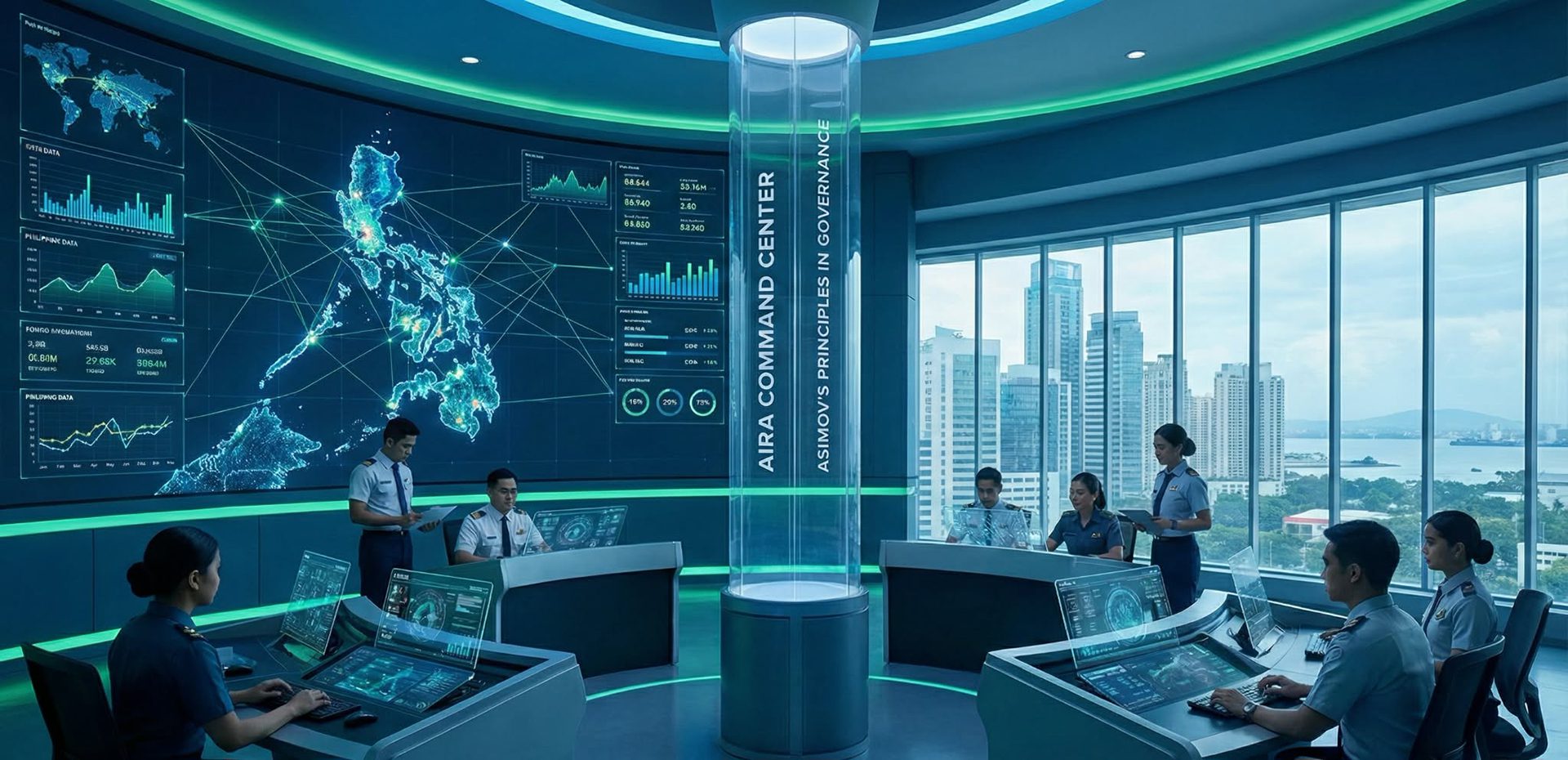
Isaac Asimov’s stories, though set in distant galaxies and imagined futures, were never really just about robots or space. They were about people, about how societies respond to change, and how knowledge, ethics, and foresight shape the course of civilization. In the Philippine context, these ideas resonate deeply with the challenges of governance, where the decisions of today ripple across communities, infrastructure, and generations.
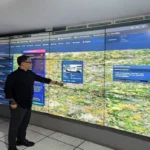
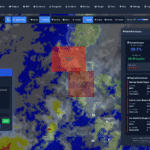
That is how we imagined the AIRA Command Center into reality. It brings these principles into practice, using artificial intelligence, automation, and intelligent systems not as ends in themselves, but as tools to strengthen human decision-making, preserve institutional knowledge, and anticipate the consequences of action and inaction.
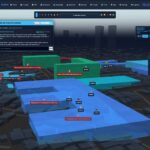
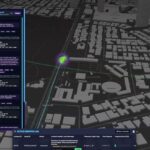
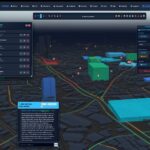
One of the most powerful ideas from Asimov is the concept of psychohistory, from the Foundation series. The main character, Hari Seldon, imagined a science that could predict societal patterns and crises before they occurred, not to control people, but to reduce chaos and shorten periods of suffering. AIRA adopts a similar philosophy for governance. By integrating real-time data from IoT sensors, traffic systems, environmental monitoring, and public safety networks, the platform allows leaders to detect emerging trends, assess systemic risks, and anticipate crises before they escalate. In this way, governance becomes not reactive, but foresight-driven, and decision-making is guided by patterns, probabilities, and a deep understanding of interconnected systems.
Asimov’s Three Laws of Robotics also offer a lens for ethical design in governance. The first law, protecting human life, translates into AI systems that prioritize citizen safety and well-being, whether through predictive disaster management, hospital surge forecasting, or crime risk analysis. The second law, obedience to human directives, reminds us that automated systems must remain accountable, transparent, and subordinate to human judgment, ensuring that every recommendation, action, or allocation aligns with legal, ethical, and societal priorities. The third law, self-preservation, finds its reflection in resilience, reliability, and sustainability of systems, ensuring that technology supports institutions without introducing new vulnerabilities. Extending this logic, AIRA incorporates a “Zeroth Law” for governance: the long-term welfare of communities and society must guide every intervention, even when short-term trade-offs arise.
These principles are embodied in AIRA’s practical applications. In public safety, AI detects patterns in incident reports, social activity, and environmental conditions, allowing agencies to anticipate crime hotspots, traffic congestion, and hazards before they become critical. In disaster response and infrastructure management, predictive modeling identifies flood risks, structural weaknesses, and utility strain, while autonomous sensors and drones provide continuous assessment without placing human responders in danger. In health and emergency networks, the system integrates hospital capacity, supply chain intelligence, and patient flow data, enabling timely resource allocation and coordinated response across regions. Every feature emphasizes foresight, ethical alignment, and systemic understanding, reflecting the same values that guided Seldon’s vision of societal stability.
Robotics and automation are approached with the same mindset. Rather than replacing human judgment, autonomous systems and intelligent agents extend human capability, performing hazardous inspections, coordinating resources, or monitoring environments, while humans remain the ultimate decision makers. This mirrors Asimov’s vision of robots as partners, tools designed to amplify human responsibility, foresight, and ethical capacity.
Equally important is the preservation of institutional memory. Just as the Foundation preserved knowledge across generations to safeguard civilization, AIRA maintains an evolving intelligence layer, capturing insights from every incident, response, and operational decision. This ensures continuity across agencies, administrations, and regions, and allows lessons learned to inform future policies, planning, and crisis response, transforming short-term action into long-term societal learning.
At its core, the connection to Asimov’s work is not technological, it is philosophical. AIRA embodies the belief that foresight, ethics, and knowledge can guide decision-making at scale, that systems should strengthen human judgment rather than replace it, and that governance can be proactive rather than reactive. Technology becomes a partner, data becomes a medium for insight, and institutions gain the capacity to act responsibly, efficiently, and humanely.
By embracing these principles, Philippine governance can move toward a future where crises are anticipated, decisions are informed, and interventions prioritize human welfare and societal continuity. AIRA Command Center does not promise a perfect system, but it embodies the kind of structured, ethical, foresight-driven approach that Asimov imagined, where technology and human responsibility converge to shape a more resilient, capable, and forward-looking society.



Copyright © 2026 Aira Labs. All Rights Reserved.